
Te Hā Waru
Breath. Rhythm. Connection.
A mātauranga Māori approach to support tamariki and whānau living with FASD and neurodiversity.
What is Te Hā Waru
We start with our origins, our whakapapa, using our breath to restore our being
Te Hā Waru is a practical approach for whānau, kura and kaiako supporting tamariki with FASD and neurodiversity. It provides a shared language, grounded in mātauranga Māori to recognise what's happening in the body, name the state, and know what to do next.
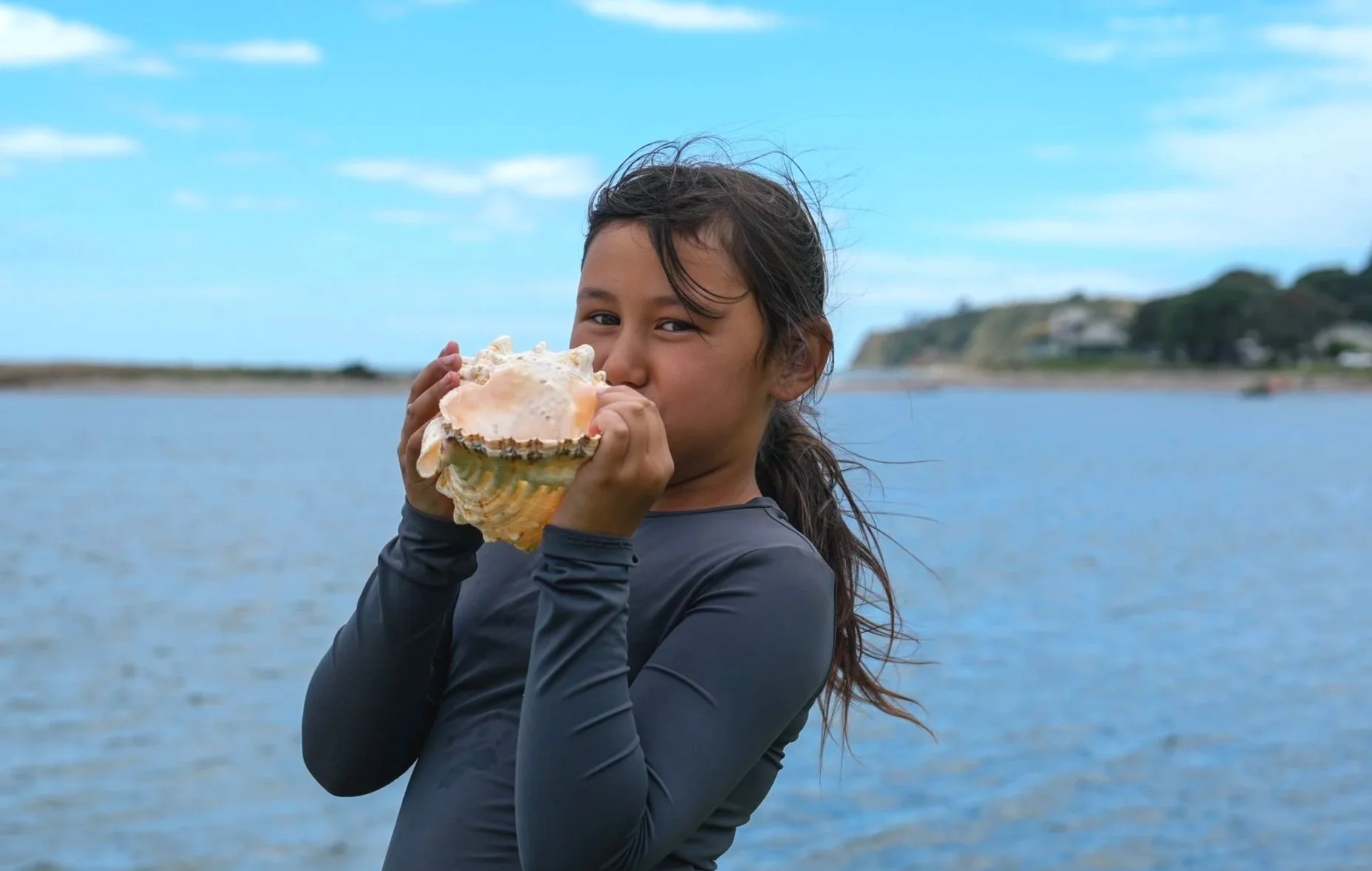
Te Hā — the breath. Tāne breathed life into Hineahuone. Breath is where we begin, always.
Waru — eight. The 8-count breathing pattern (4 in, 4 out) and the eight atua patterns we work with.
It's not a diagnosis. Not a behaviour system. Not a compliance tool. It's a way to stay connected to our tamariki when things get hard and to protect their mana while we do it.
Te Orokohanga
The Creation Story
We start always with origin. A pūrākau to frame the kaupapa
Ranginui and Papatūānuku held their tamariki, our atua in a close, warm embrace. Born in Te Pō, in darkness. But to grow, the atua needed light and space. When Tāne separated Rangi and Papa, each atua responded differently to that sudden change. Some raged. Some withdrew. Some shut down. Some celebrated. Some tried to hold everything together.
Those responses live in us. Through whakapapa, we carry the expressions of every atua. We are made of the atua, not by the atua. This pūrākau isn't a metaphor we borrowed, it's a map. A whakapapa of who we are and our emotional responses to separation, pressure, and change.
Te Hā Waru turns that map into something practical.
Three connected parts. One question every time: what state of mauri is my tamaiti in right now, and what do they need to come back to safety?
Ngā Atua
Recognise the atua pattern
Eight atua patterns help us see what's showing up when our tamariki are under pressure. We are made of the atua. These aren't labels or diagnoses. They are an expression of whakapapa of who where are, where we are and how we may respond to changing environment. They're recognition tools that help us choose the right support and protect mana.
Mauri Maps
Identify the state of mauri
Mauri is the life force that moves through all living things, it doesn't sit still. Mauri give us a way to name where our tamaiti is right now. Settled. Rising. Flat. Flooded. Mauri shifts. It's never fixed and it's never a judgement. When we can name the state, we can choose the response and hold boundaries without shame.
Ngā Mahi
Shift the state
Practical, repeatable activities grounded in breathing, connection and rhythm. From poi, , manawataki, breath work, ngā kōhatu, taonga ā-rongo, ngā karetao matimati. These aren't generic exercises. They come from our practices, our rhythm, our ways of settling the tinana and reconnecting. The activity isn't the main thing. The safe return to steadiness is.